For a world beyond speciesism

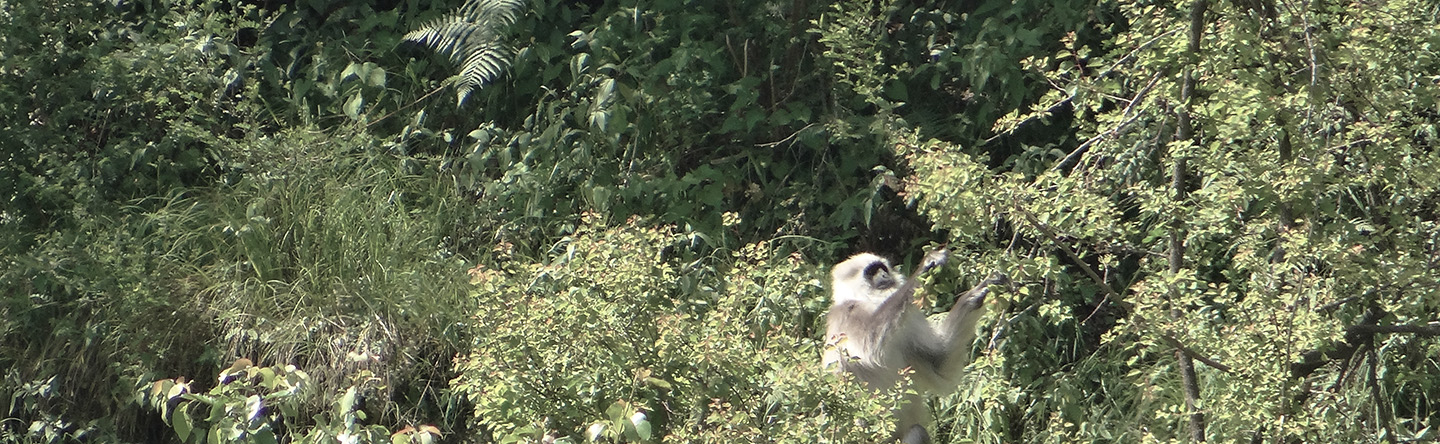
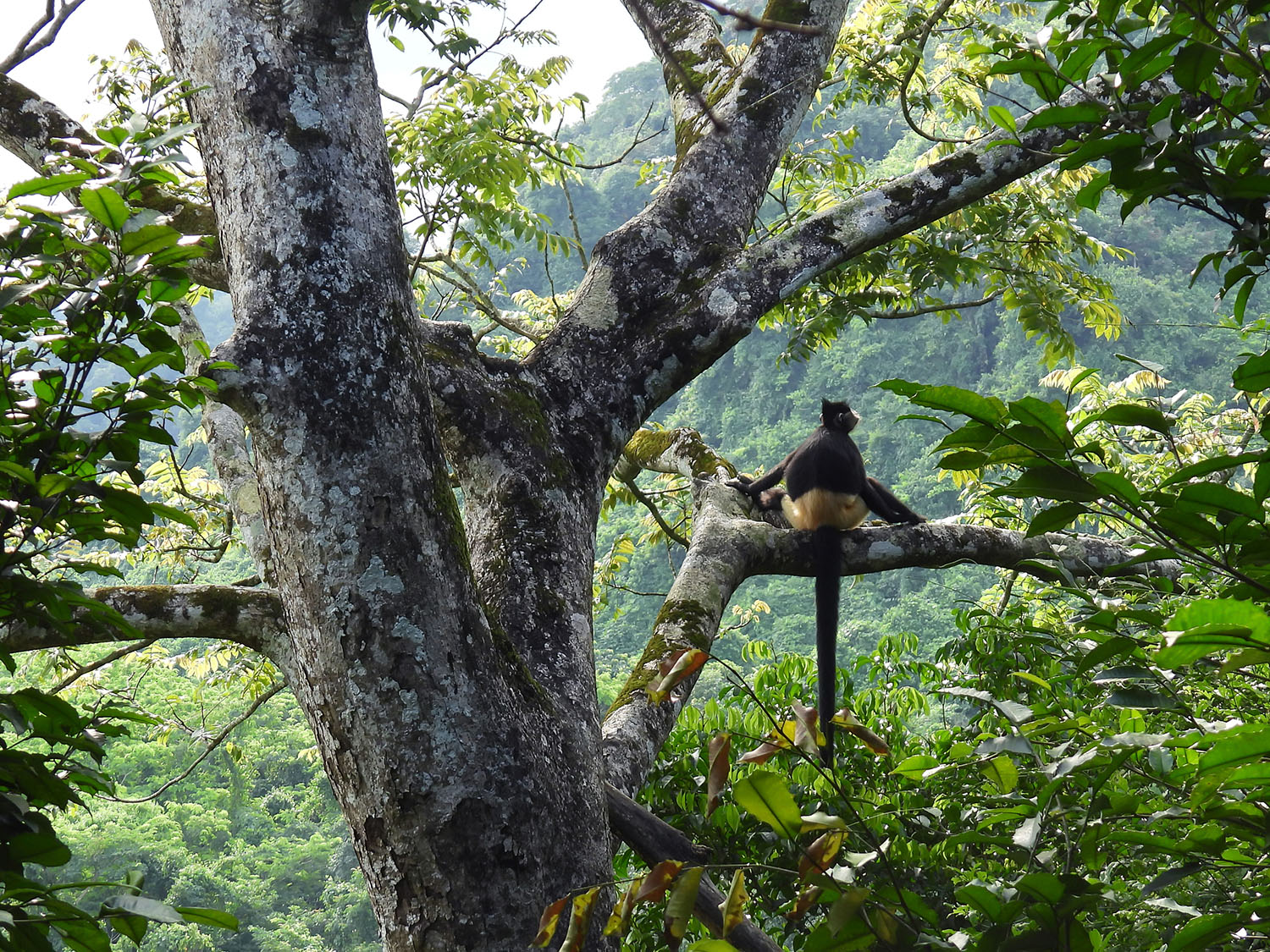
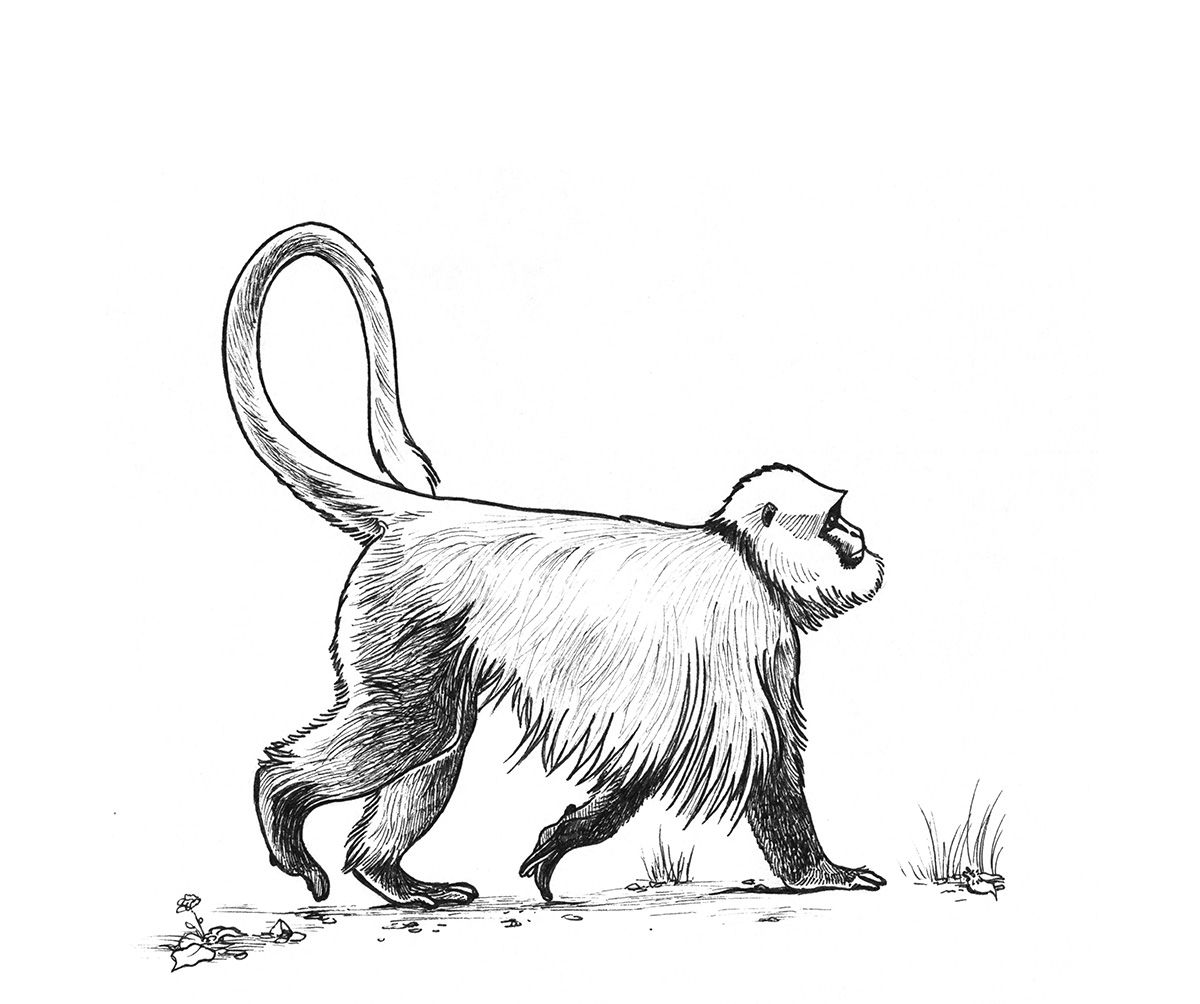
I am a PhD student at Kyoto University’s Department of Primatology and Wildlife Research. I study primates in the wild and semi-wild, and use tools from ethology, psychology, and philosophy of science to better understand how primates think and feel. For my PhD, I study the social behavior of Delacour’s and Hatinh langurs, two (critically) endangered species endemic to Vietnam and Laos. I’m interested in how they interact with each other and the emotions that underlie these interactions.
Beyond academia, I am also a visual artist and animal rights advocate.
Whether it’s research, art, or advocacy that I do, I aim to create a better understanding of other animals’ perspective of the world, and make the planet a better place for all sentient beings who call it home.
This website is a journal and portfolio of my animal-infused odyssey. Welcome and feel free to roam around!

Academic Timeline_
2025 - NOW
PhD Candidate
Primatology and Wildlife Research
Wildlife Research Center, Kyoto University
Keywords: crested langurs / lutungs (Trachypithecus spp.), colobinae, social interaction, communication, Japanese primatology, Western primatology, epistemology, ethics, conservation (sensu multispecies justice)

2023 - 2025
MA Anthropology
I started as a PhD student at the Department of Anthropology at UCLA before I transitioned to Kyoto University following my advisor’s departure.
I obtained an MA on the patterns and dynamics of allomothering in Hatinh langurs (Trachypithecus hatinhensis) and Delacour’s langurs (T. delacouri).

2020 - 2023
Research Assistant & Teacher
I was a research assistant, teacher and course coordinator at Leiden University’s Institute of Psychology. I was affiliated with the Comparative Psychology and Affective Neuroscience (CoPAN) lab.

DISI Fellow & Project Coordinator
The Diverse Intelligences Summer Institute (DISI) is a 4-week full-time academic program founded by Dr. Erica Cartmill and Dr. Jacob Foster, and funded by the Templeton World Charity Foundation. In 2021 and 2022 I was a Fellow, and in 2022 I became the Project Coordinator of DISI.
2013 - 2014
MSc Primate Conservation
Cum laude
Specializations: Asian colobines (leaf-monkeys), social behavior, ecology, phylogeny, conservation education.
Thesis project #1: Ecology of the Germain’s Langur (T. germaini)
Thesis project #1: Tails of Cambodia, conservation eduation project
Grants awarded:
– PSGB Conservation Grant »
– Mohamed Bin Zayed Species Conservation Grant »
– Born Free Foundation small grant

2009 - 2012
BSc Psychology (Hons)
Cum laude
Major in Social Psychology | Honours student
Thesis: Primate empathy: Review of the evidence in two taxa.

Research_
The Social Lives of Leaf Monkeys
Understanding langur interactions
I study the everyday lives of langurs (or lutungs; Trachypithecus spp.), with a special focus on their social interactions, communication, and how they engage with their bright orange infants. I am interested in the why and how of allomothering—the practice of shared caretaking for infants. Allomothering is rare in other primates, but common for langurs. I collect and analyze their (inter)actions in detail, to better understand what they mean to them.
Langurs are among the most threatened primates on Earth. They are on the brink of extinction due to human-caused habitat destruction and hunting for traditional ‘medicine’ and the profit thereof. Understanding the richness and complexity of their social lives and minds only adds to the urgency of protecting them and advocating for their rights.
The Moral Standing of Animals
The psychology of speciesism
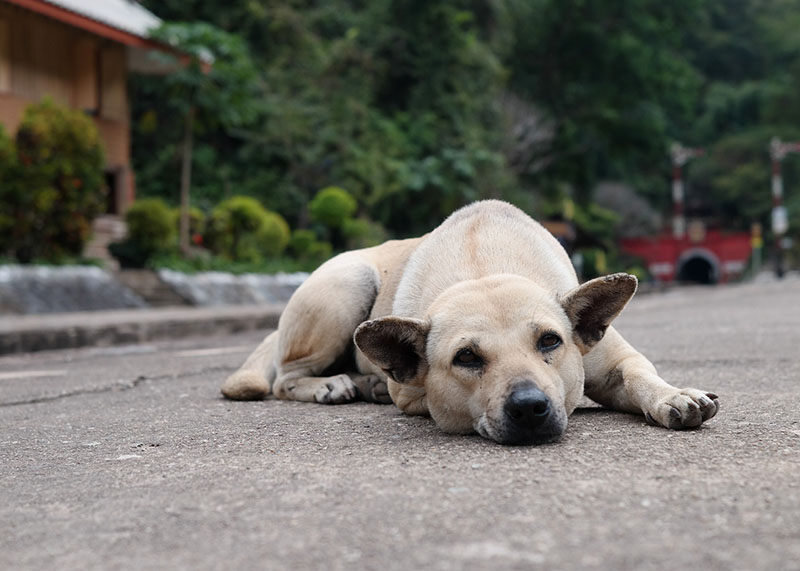
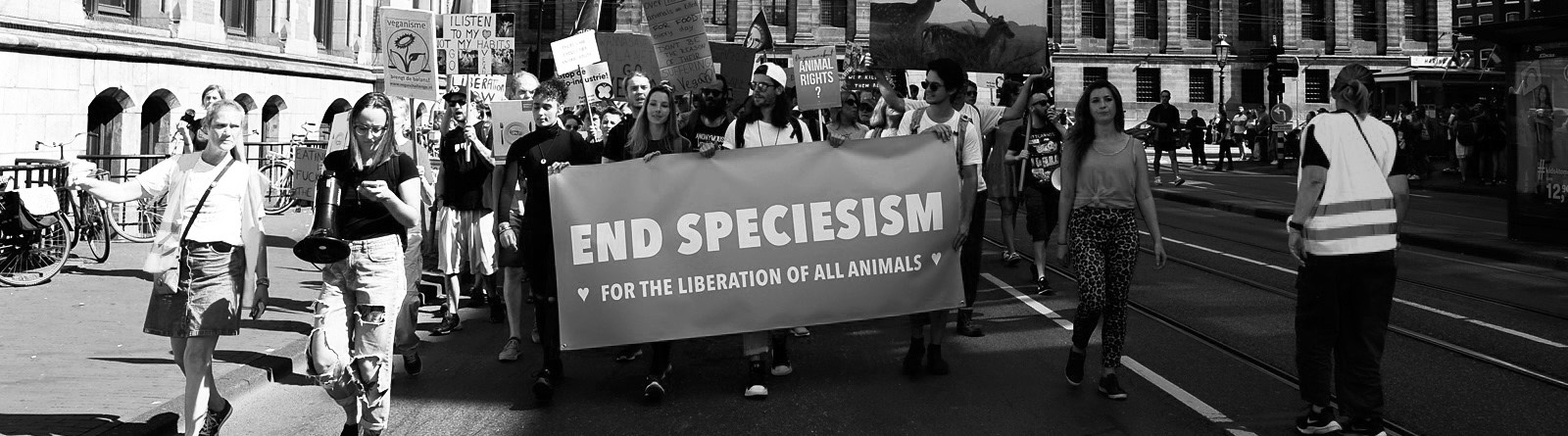
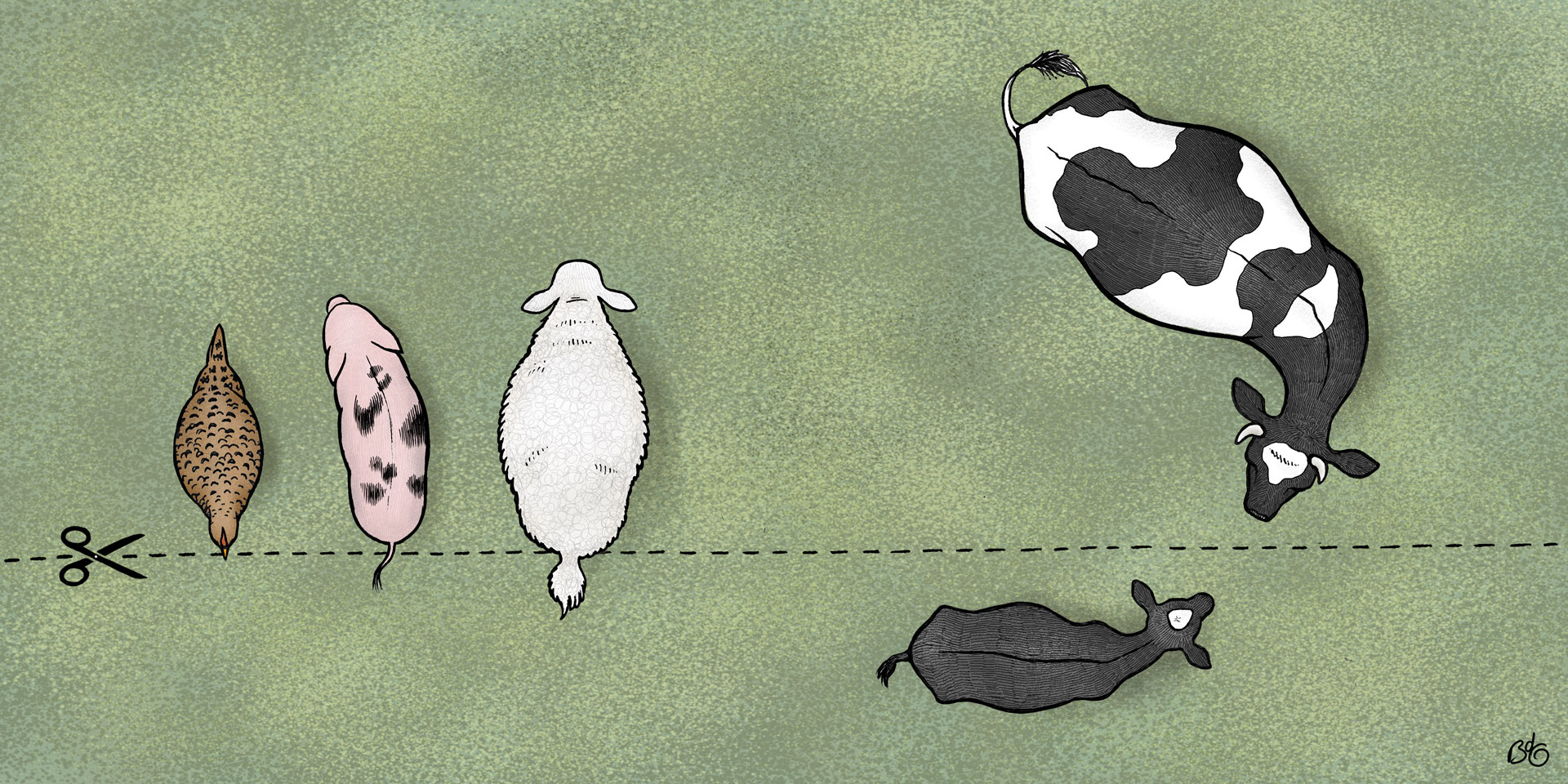
How much moral concern do we have for different animals? And to what extend does their sentience, cognitive capacity and likability explain their respective places on the circle of moral concern? In this study explore people’s evaluations of moral standing of a large range of animal species, and the cognitive and affective determinants that contribute to this evaluation.
Teaching_
Art_
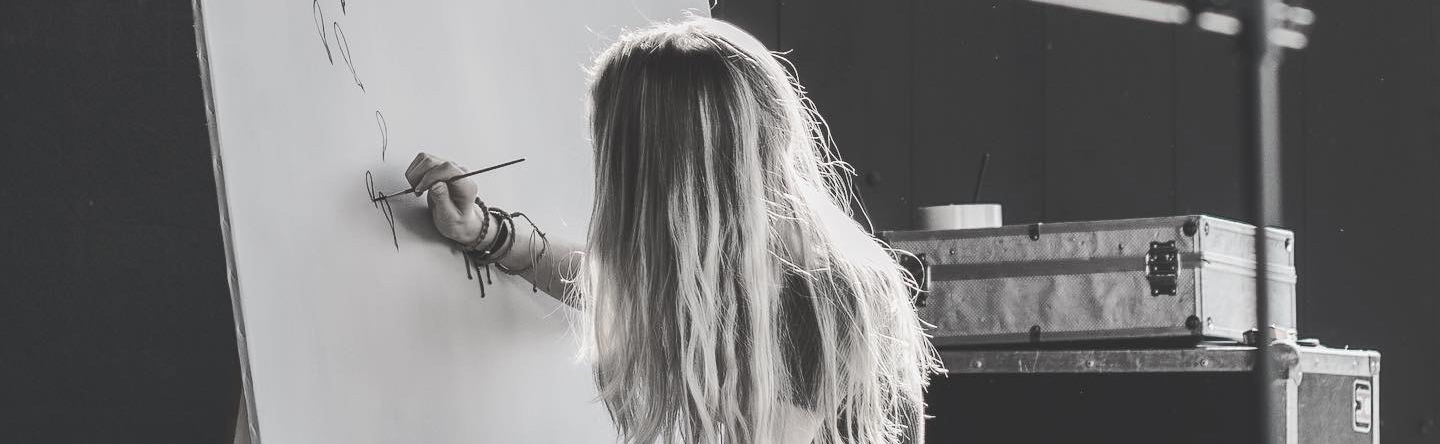
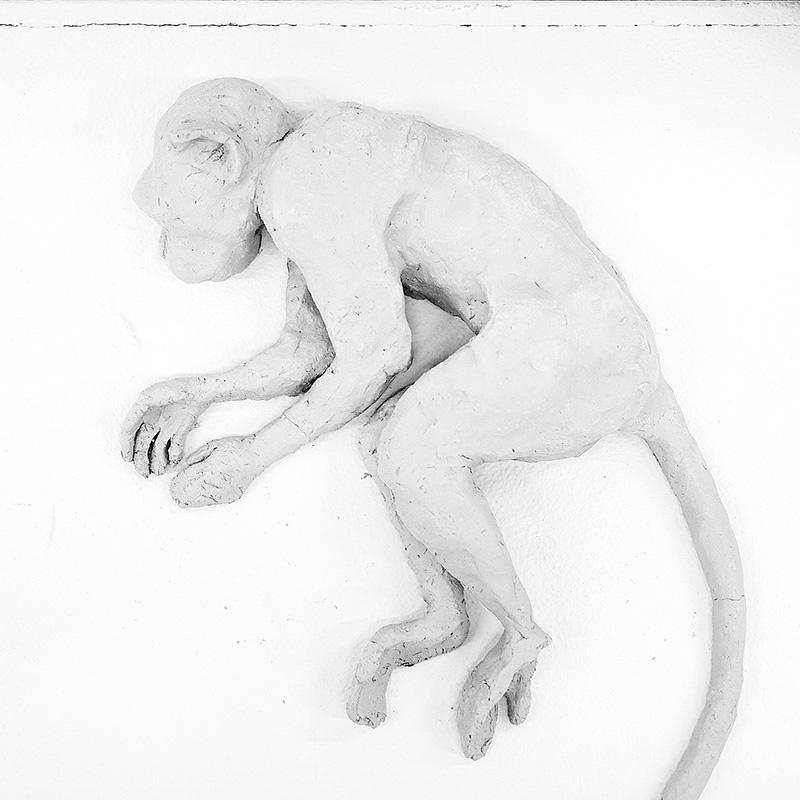
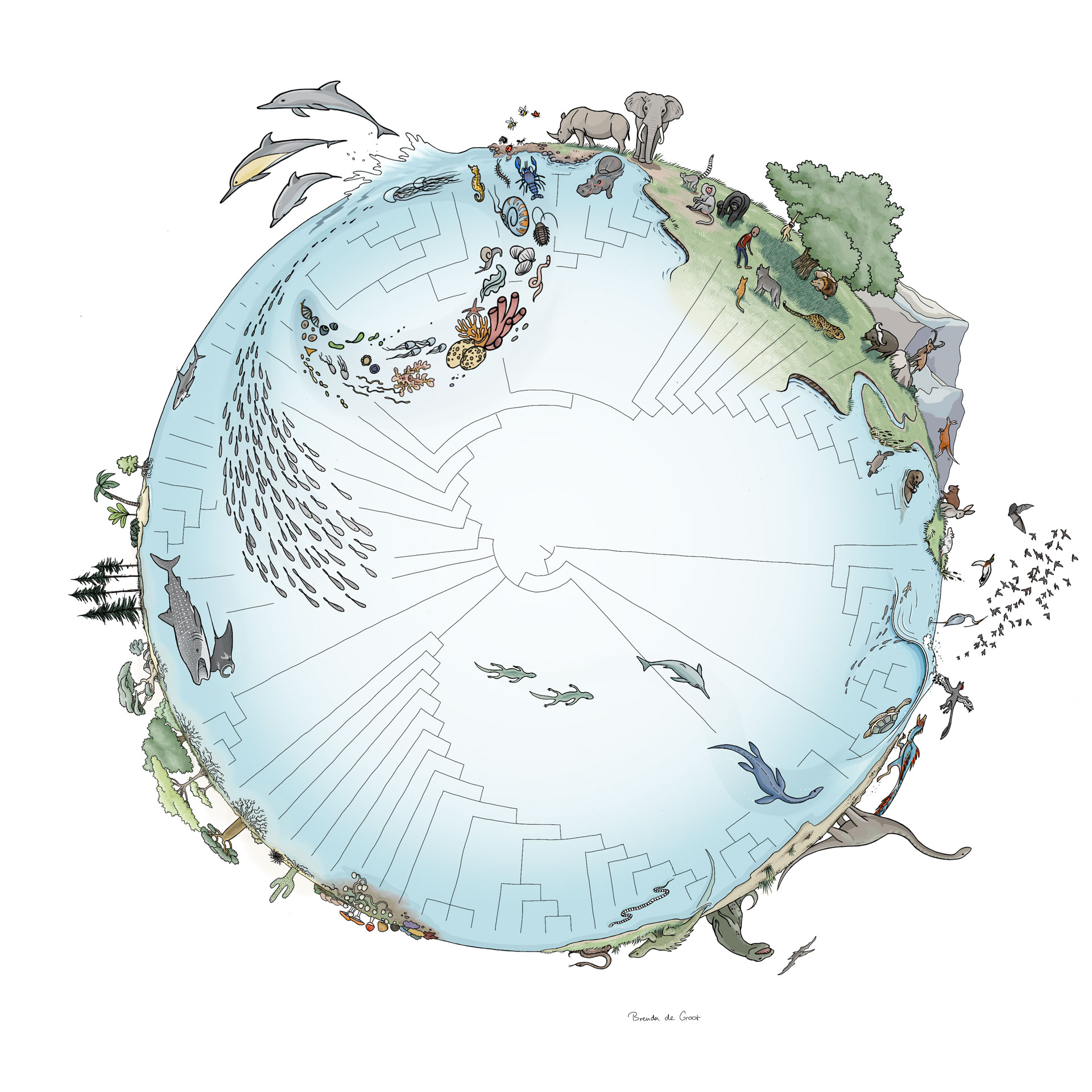
When my mother gave 3-year-old me a pencil and a piece of paper, I simply never let it go. I drew my way through childhood, fueled by the animals who I ‘studied’ through drawing. Later I added sculpture–which is essentially drawing in 3D–and painting to my practice.
While I love art for the art, I believe that it can also play a valuable role for science and animal ethics.
First, art can communicate scientific knowledge and ideas to a broad audience, as it can be viewed, understood and enjoyed by people of all ages, cultures, and corners of society. Thus, through art, academics can reach masses of people.
Second, works of art have the ability to make people feel. Given that emotions are the leading drivers for our actions, it is art that has the potential to change people’s mindsets and behaviour.
And last but not least: art can show us an alternative to the world as it is. Through visual art and storytelling, we are able to share our visions of the world as it could be. If we know what our envisioned future looks like, then we can go build the path that leads there.
Now combine the ability of art to inform masses of people, make them feel intensely, and to deliver an image of a world we want to work towards, then I think art has great potential for changing the world for the better.
Illustration_


Vegan Monkey_
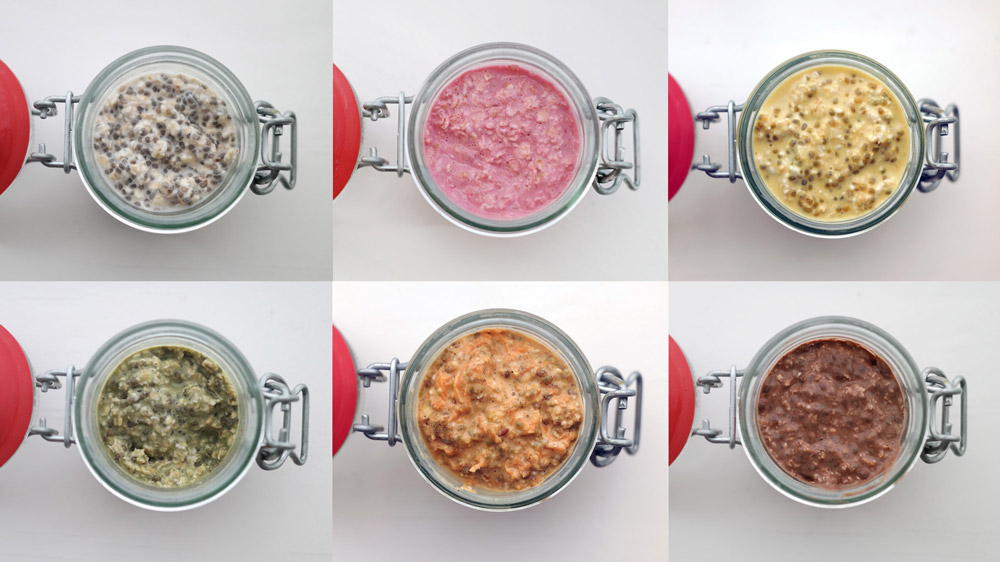
Fun fact: this website started as a vegan blog, to help inspire a wide audience to adopt a vegan lifestyle, a.k.a. become practicing sentientists.
My life has evolved, but you can still read the articles under the header Vegan Monkey. Note that only some articles are translated into English, since my audience was predominantly Dutch.








Contact me_
You can reach me by email me at brendadegroot [at] ucla [dot] edu

This site is protected by reCAPTCHA and the Google Privacy Policy and Terms of Service apply.